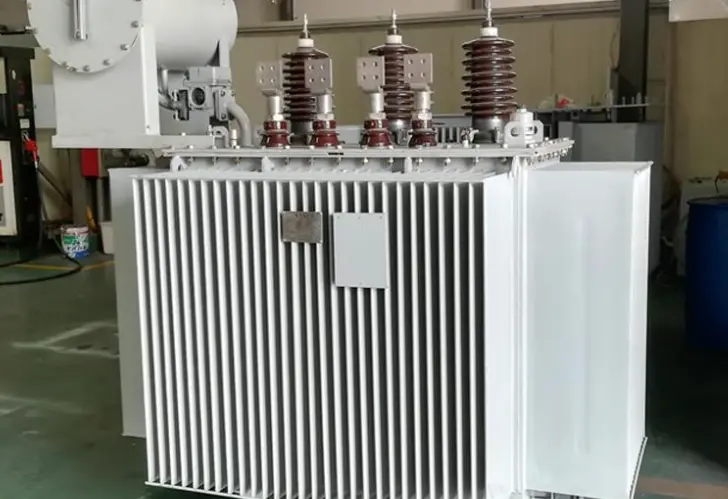
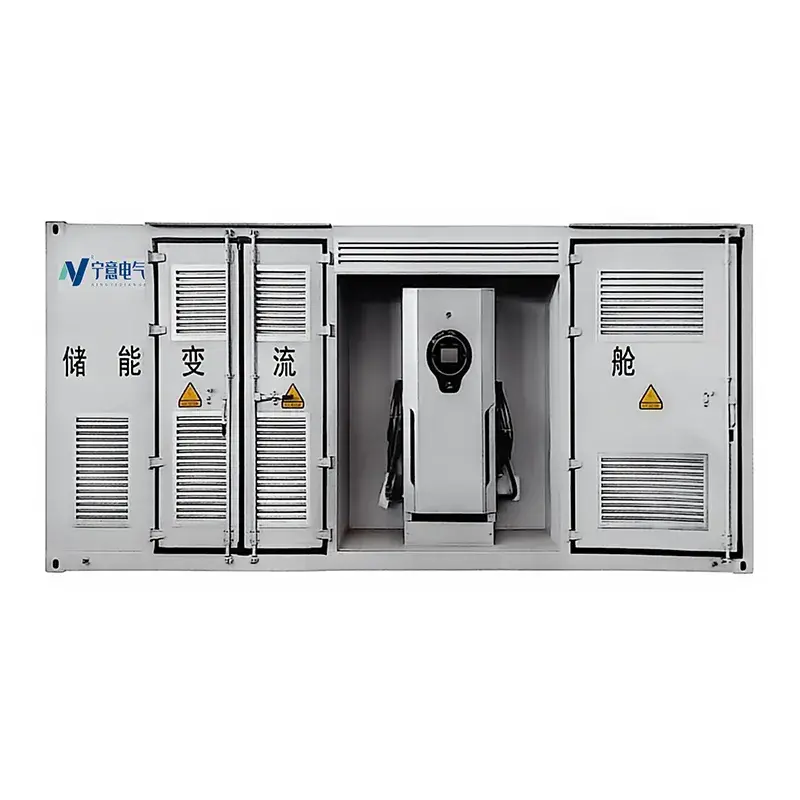
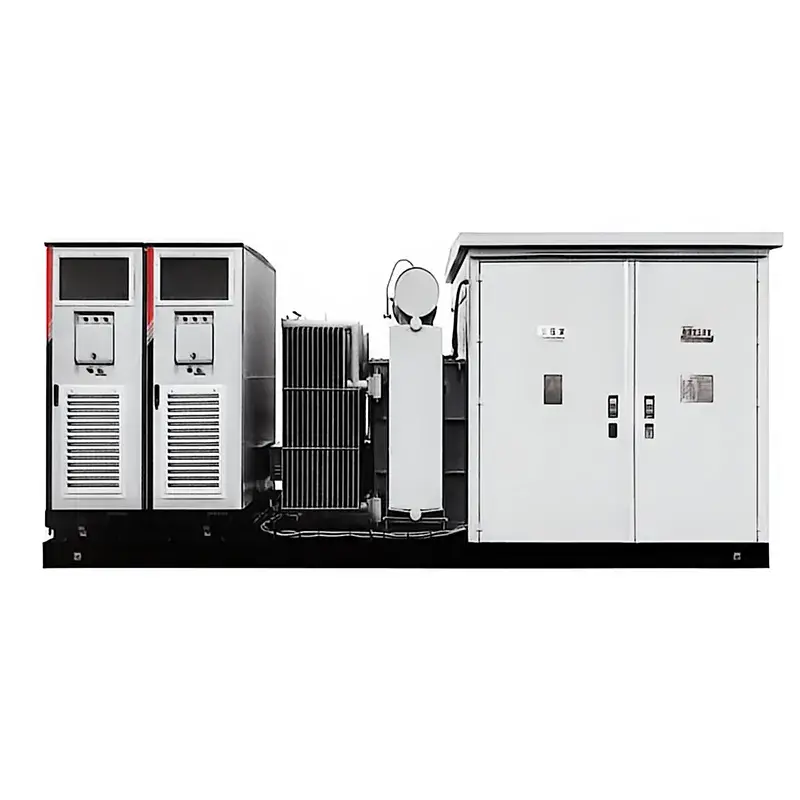
A 1250 kVA transformer has an apparent power capacity of 1250 kilovolt-amperes. In practical terms, this means it can supply up to 1,250,000 volt-amperes of electrical load under its rated voltage, frequency, cooling condition, and installation environment.
However, the real usable load depends on voltage, phase, power factor, load type, ambient temperature, cooling method, installation conditions, and safety margin. A 1250 kva transformer may support a large commercial building, industrial workshop, manufacturing line, data facility, or distribution system, but it must be matched carefully to the actual electrical demand.
What Does 1250 kVA Mean?
The kVA rating of a transformer describes its apparent power capacity. It combines voltage and current without assuming a specific power factor.
The basic formula is:
kVA = voltage x current x phase factor / 1000
For a three-phase transformer:
kVA = 1.732 x voltage x current / 1000
For a single-phase transformer:
kVA = voltage x current / 1000
Because most large 1250 kVA units are three-phase transformers, current capacity is usually calculated with the three-phase formula.
How Much Current Can a 1250 kVA Transformer Supply?
The current output depends on the secondary voltage.
For a three-phase 1250 kVA transformer, approximate full-load current is:
- At 400V: about 1,804 amps
- At 415V: about 1,739 amps
- At 480V: about 1,504 amps
- At 690V: about 1,046 amps
- At 11kV: about 66 amps
These values are calculated using the three-phase current formula:
Current = kVA x 1000 / (1.732 x voltage)
For example, at 400V:
1,250 x 1000 / (1.732 x 400) = about 1,804A
This means a 1250 kva transformer operating at 400V three-phase can theoretically supply around 1,804 amps at full load, assuming rated operating conditions.
How Many kW Can a 1250 kVA Transformer Support?
kVA is not the same as kW. kW measures real working power, while kVA measures apparent power. The relationship depends on power factor.
The formula is:
kW = kVA x power factor
Examples:
- At 1.0 power factor: 1250 kW
- At 0.95 power factor: 1187.5 kW
- At 0.90 power factor: 1125 kW
- At 0.85 power factor: 1062.5 kW
- At 0.80 power factor: 1000 kW
In many industrial and commercial systems, power factor may range from about 0.8 to 0.95 depending on motor loads, drives, lighting, capacitors, and power correction equipment.
So, a 1250 kVA transformer may support about 1000 kW to 1187 kW in many real applications, depending on the power factor.

Should a Transformer Be Loaded to 100%?
Although a transformer can be rated for full-load operation, many engineers avoid running it continuously at 100% unless the design allows for it. A practical loading target may include margin for future expansion, temperature rise, harmonic loads, motor starting current, and seasonal demand.
Common planning considerations include:
- Normal continuous load
- Peak demand
- Starting current of large motors
- Harmonic distortion from drives or UPS systems
- Ambient temperature
- Cooling method
- Ventilation space
- Load growth
- Local electrical rules
- Protection device coordination
For long-term reliability, many projects size the transformer so normal operating load remains below full rating. The exact loading strategy should be determined by qualified electrical engineers.
Typical Applications of a 1250 kVA Transformer
A 1250 kVA transformer is commonly used in medium to large electrical systems.
Typical applications include:
- Factories
- Industrial parks
- Commercial buildings
- Hospitals
- Data centers
- Shopping centers
- Water treatment facilities
- Mining operations
- Solar power systems
- Wind power collection systems
- Large machinery installations
- Distribution substations
A 1250 kva transformer can serve many types of loads, but the load profile should be reviewed before final selection.
Factors That Affect Load Capacity
Voltage Rating
The same transformer kVA rating will produce different current values at different voltages. Lower voltage means higher current for the same kVA.
Power Factor
Poor power factor reduces the real usable kW capacity. Power factor correction may help improve system efficiency and reduce demand on the transformer.
Cooling Method
Oil-immersed and dry-type transformers may have different cooling designs. Natural air, forced air, oil natural air natural, or fan-assisted cooling can affect continuous loading capability.
Temperature
High ambient temperature can reduce transformer loading capacity. If the installation area is hot or poorly ventilated, derating may be required.
Harmonics
Nonlinear loads such as variable frequency drives, rectifiers, UPS systems, and some LED lighting can create harmonic heating. This may require a specially rated transformer or reduced loading.
Load Type
Motor loads, welding machines, compressors, and heavy industrial equipment may create high inrush currents. The transformer must handle both running load and starting conditions.
How to Select a 1250 kVA Transformer
Before selecting a transformer, buyers should confirm:
- Primary voltage
- Secondary voltage
- Phase and frequency
- kVA rating
- Load type
- Power factor
- Cooling method
- Installation environment
- Indoor or outdoor enclosure
- Insulation class
- Impedance
- Efficiency requirements
- Noise level
- Protection requirements
- Applicable standards
- Future expansion plan
The transformer should also be matched with suitable switchgear, cables, protection devices, grounding system, and ventilation design.
Common Mistakes to Avoid
One common mistake is confusing kVA with kW. A 1250 kVA transformer does not always supply 1250 kW unless the power factor is 1.0.
Another mistake is ignoring voltage. Current capacity changes greatly between 400V, 480V, and medium-voltage systems.
A third mistake is sizing the transformer only for today’s load. If future expansion is likely, the design may need additional margin.
Conclusion
The load capacity of a 1250 kVA transformer is 1,250,000 volt-amperes. Its current output depends on voltage, and its real kW capacity depends on power factor. At 400V three-phase, it can supply about 1,804 amps. At 480V three-phase, it can supply about 1,504 amps.
In practical operation, a 1250 kva transformer should be selected and loaded according to voltage, power factor, cooling condition, load profile, ambient temperature, harmonic content, and future expansion needs. Correct sizing supports safer operation, better efficiency, and longer transformer service life.
For transformer product information, visit JS Ningyi.