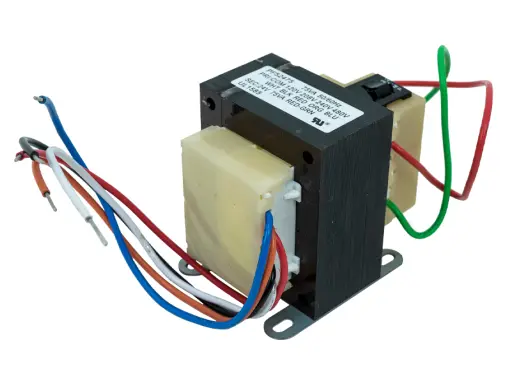
A 208 to 24 volt transformer is an electrical device that steps down 208 volts on the primary side to 24 volts on the secondary side. It is commonly used in commercial buildings, HVAC systems, industrial control panels, relays, thermostats, door operators, automation circuits, and other low-voltage control applications.
In simple terms, the transformer allows equipment connected to a 208V power source to safely operate 24V control components. Because many control circuits do not require high voltage, a 208 to 24v transformer provides a practical way to separate power distribution voltage from lower-voltage control wiring.
What Does a 208 to 24 Volt Transformer Do?
The main function of a 208 to 24 volt transformer is voltage conversion. It receives 208V alternating current from the primary circuit and produces 24V alternating current on the secondary circuit.
This lower voltage is often used for:
- HVAC control circuits
- Thermostats
- Contactors
- Relays
- Solenoid valves
- Control boards
- Building automation systems
- Low-voltage signaling circuits
- Safety interlock circuits
The transformer does not create energy. It transfers electrical energy between windings through electromagnetic induction while changing the voltage level.
Why 208V Is Common in Commercial Buildings
208V power is commonly found in commercial and light industrial electrical systems, especially where three-phase service is used. In a 120/208V three-phase wye system, 208V is available between two phase conductors.
Many rooftop units, air handlers, pumps, compressors, lighting systems, and control panels are designed for 208V service. When those systems need 24V controls, a step-down transformer is often installed inside the equipment or control enclosure.
This is one reason the 208 to 24v transformer is widely used in HVAC and building control applications.
How the Transformer Is Built
A typical 208 to 24 volt transformer includes a laminated steel core, primary winding, secondary winding, insulation materials, terminals, and sometimes mounting brackets or an enclosure.
The primary winding is designed for 208V input. The secondary winding is designed to output 24V, usually 24VAC. The two windings are electrically separated but magnetically coupled through the transformer core.
Some models may include multiple primary taps, such as 208V, 220V, 230V, or 240V. This allows one transformer to be used in different electrical systems when wired according to the manufacturer’s diagram.

Common Applications
HVAC Systems
One of the most common uses is HVAC control. Air conditioners, furnaces, heat pumps, rooftop units, and ventilation systems often use 24V controls for thermostats, contactors, dampers, and control boards.
Industrial Control Panels
A 208 to 24 volt transformer can supply low-voltage control power inside a machine panel. This helps operate relays, indicator lights, interlocks, and other control devices.
Building Automation
Modern buildings use control systems to manage temperature, lighting, ventilation, and access systems. Many of these systems rely on low-voltage power for sensors, controllers, and actuators.
Relays and Contactors
A contactor coil may require 24V even when the equipment power circuit operates at 208V. The transformer provides the correct coil voltage.
AC or DC: What Output Does It Provide?
Most 208 to 24 volt transformers provide 24VAC output, not 24VDC. This matters because some devices require alternating current while others require direct current.
If a device requires 24VDC, the system may need a power supply or rectifier rather than a standard control transformer. Before choosing a transformer, always confirm whether the load requires AC or DC voltage.
How to Choose a 208 to 24V Transformer
When selecting a 208 to 24v transformer, several specifications should be reviewed carefully.
Primary Voltage
Confirm that the transformer primary is rated for 208V. If the transformer has multiple input taps, the correct tap must be used.
Secondary Voltage
Confirm that the secondary output is 24V and matches the connected load requirement. Most control applications use 24VAC.
VA Rating
The VA rating shows how much apparent power the transformer can supply. Common ratings include 20VA, 40VA, 50VA, 75VA, 100VA, and larger sizes.
To size the transformer, add the VA requirements of all connected control devices, then allow suitable margin. An undersized transformer may overheat, drop voltage, or fail prematurely.
Frequency
Most systems use 50Hz or 60Hz, depending on the region. The transformer should match the supply frequency.
Mounting Style
Control transformers may be panel-mounted, foot-mounted, DIN-rail mounted, or enclosed. The mounting style should suit the equipment design and installation space.
Protection
Some transformers include built-in thermal protection, fuse holders, circuit breaker protection, or Class 2 ratings for certain low-voltage applications. Protection requirements depend on the circuit design and local electrical rules.
Installation Considerations
A transformer should be installed by qualified electrical personnel. Correct wiring, grounding, overcurrent protection, enclosure selection, and terminal identification are important for safety and performance.
Before installation, confirm:
- Input voltage
- Output voltage
- Wiring diagram
- Load VA requirement
- Terminal markings
- Fuse or breaker requirements
- Ambient temperature
- Ventilation around the transformer
- Applicable electrical standards
The transformer should not be overloaded. It should also be protected from moisture, excessive heat, vibration, and mechanical damage unless it is specifically designed for those environments.
Signs of a Problem
A failing or overloaded control transformer may show warning signs such as humming louder than normal, overheating, burnt smell, low output voltage, repeated fuse failure, unstable control operation, or visible damage.
If these symptoms appear, the system should be inspected before replacing parts. The transformer may be faulty, but the real cause could also be a short circuit, incorrect wiring, excessive load, or damaged control component.
Conclusion
A 208 to 24 volt transformer is a step-down transformer that converts 208V AC power into 24V AC control power. It is commonly used in HVAC systems, commercial equipment, control panels, relays, contactors, and building automation circuits.
The right 208 to 24v transformer should be selected based on primary voltage, secondary voltage, VA rating, frequency, mounting style, protection method, and load requirements. Choosing the correct transformer helps improve control circuit reliability, equipment safety, and long-term operating performance.
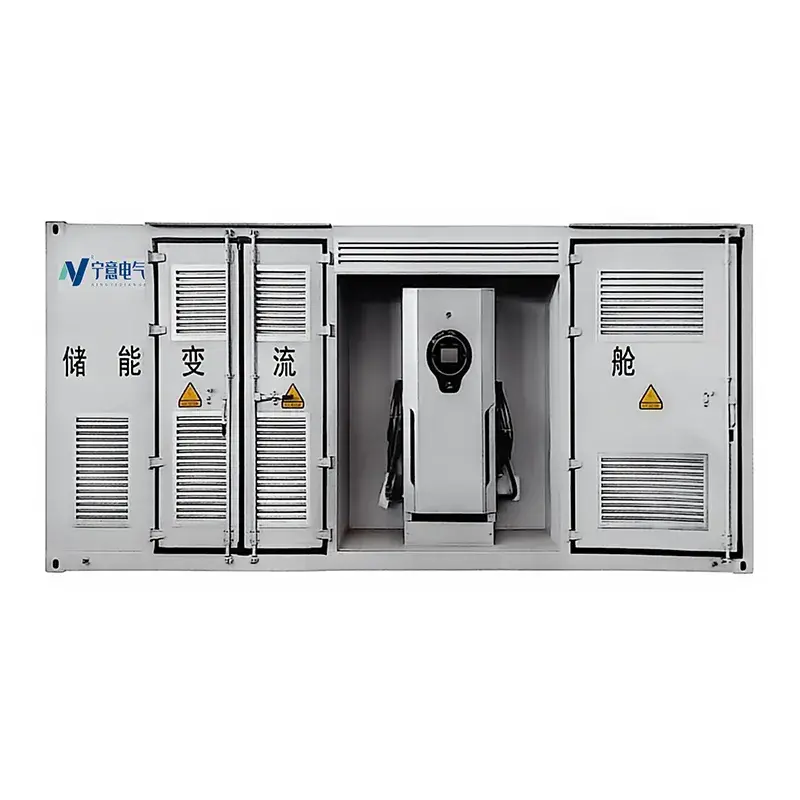
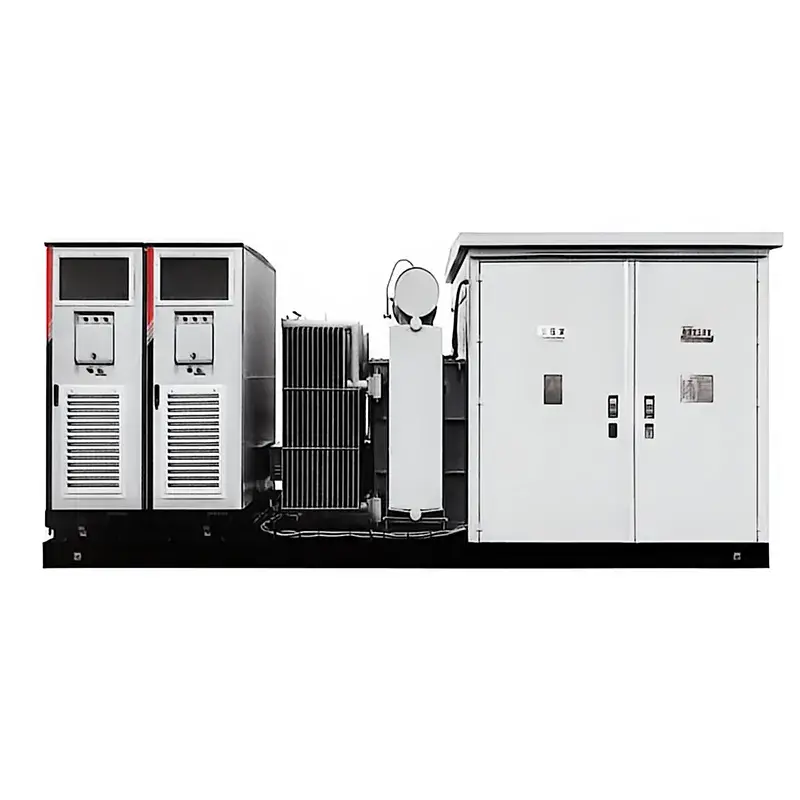
For transformer product and company information, visit JS Ningyi.