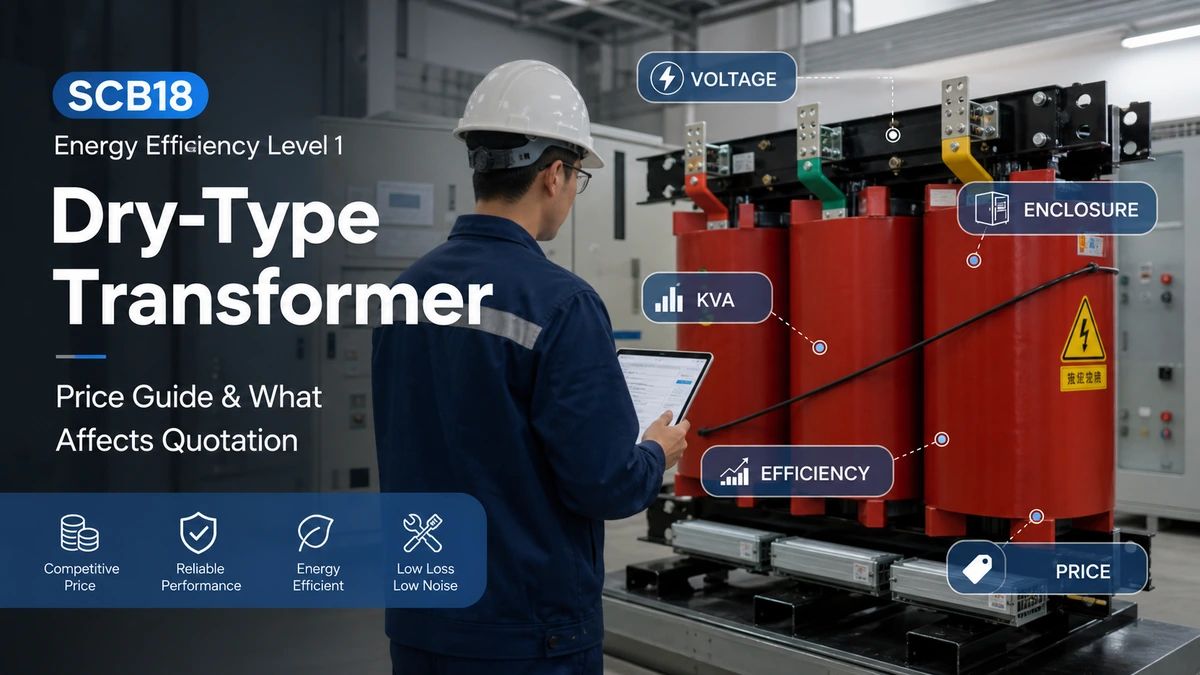
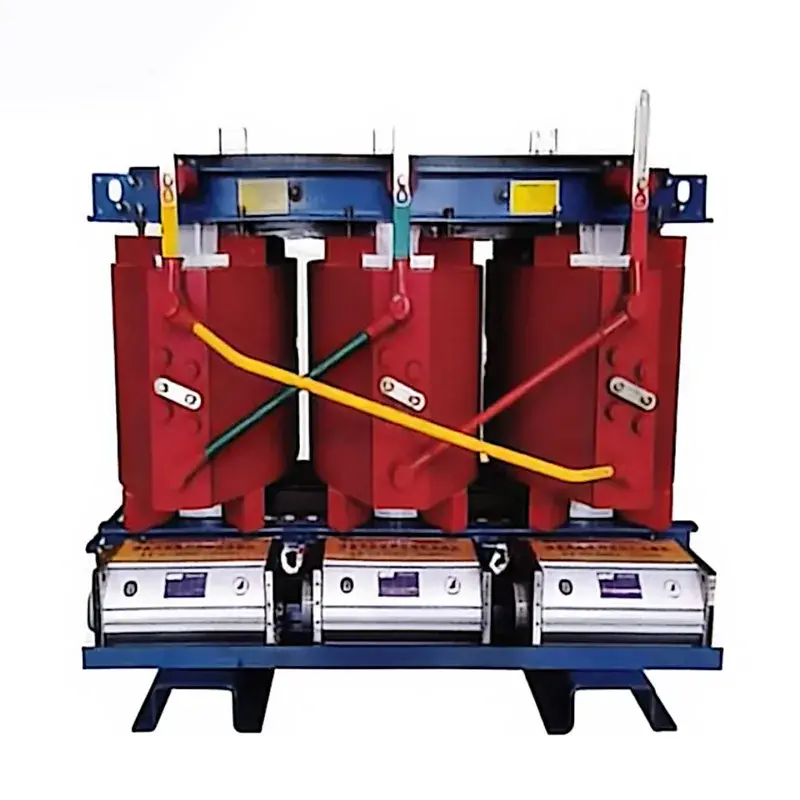
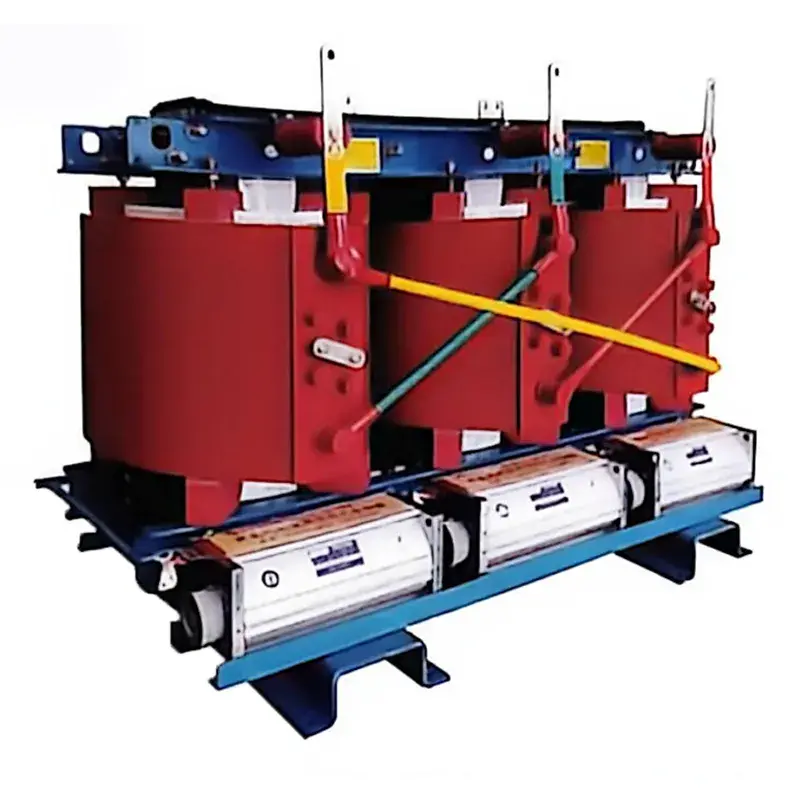
Dry type transformer price quotes differ at the same kVA because kVA states capacity, not the complete design. Voltage ratio, taps, vector group, frequency, copper or aluminum windings, guaranteed no-load and load losses, impedance, insulation system, temperature rise, cooling, enclosure, environment, accessories, testing, documentation, freight, and service can all change cost.
Normalize Dry Type Transformer Price Quotations
| Specification | Why it affects the quotation |
|---|
| Rated power and duty | Defines capacity and loading basis |
| Primary/secondary voltage and taps | Changes winding and insulation design |
| Frequency, phases, and vector group | Defines electrical configuration |
| Winding conductor | Copper and aluminum designs differ |
| Guaranteed losses and efficiency basis | Changes active material and lifecycle cost |
| Impedance | Influences design, fault current, and system coordination |
| Insulation and temperature rise | Affects thermal design and service conditions |
| Enclosure and environment | Adds mechanical and environmental protection |
| Tests and documentation | Determines verification scope |
| Freight, installation, and commissioning | Changes the commercial boundary |
kVA Does Not Define the Electrical Design
An RFQ should state rated power, number of phases, frequency, primary and secondary voltages, tap range and step, vector group, neutral requirements, insulation level, system earthing, and expected load profile.
Also provide available fault current and protection information. Transformer impedance affects voltage regulation and short-circuit current, so it should be coordinated with the system rather than selected solely to reduce purchase price.
Copper and Aluminum Quotations Need Transparent Comparison
Winding conductor changes material cost, physical design, mass, dimensions, thermal behavior, and termination details. Buyers should state whether copper, aluminum, or either is permitted and require the proposal to name the supplied conductor.
Avoid comparing a copper-wound quotation with an aluminum-wound quotation as if they were identical. Compare guaranteed electrical performance, dimensions, weight, terminals, temperature rise, test results, and lifecycle requirements on the same basis.
Loss Guarantees Can Change Both Price and Ownership Cost
No-load loss occurs whenever the transformer is energized. Load loss varies with loading and temperature. A design with a lower purchase price but higher guaranteed losses can cost more over its operating life.
Request:
- guaranteed no-load loss;
- guaranteed load loss at stated reference conditions;
- efficiency basis if required;
- tolerance applied to guarantees;
- test method and acceptance criteria;
- any loss-capitalization formula used for bid evaluation.
Compare the guaranteed figures, not only a model label. Product families such as SCB18 energy-efficiency level 1 and SCB14 energy-efficiency level 2 should be evaluated against the exact project standard and jurisdiction rather than assumed globally equivalent.

Temperature Rise and Cooling Matter
Specify ambient temperature, altitude, ventilation, enclosure, harmonics, duty cycle, overload expectations, and permitted temperature rise. A transformer designed for a hotter room, higher altitude, lower temperature rise, harmonic-rich load, or restricted ventilation may require a different active design.
Clarify natural-air and forced-air ratings separately. If fans are included, identify control logic, stages, alarm contacts, power supply, redundancy, noise, maintenance access, and whether the fan-assisted rating is continuous or emergency duty.
Define Enclosure and Installation Environment
State indoor or outdoor location, ingress protection, ventilation, pollution, humidity, condensation, corrosive atmosphere, seismic requirement, fire-performance requirements, acoustic limit, cable entry, busbar interface, and available room dimensions.
Enclosure material, IP level, filters, anti-condensation heaters, temperature controllers, surge devices, monitoring sensors, wheels, and terminal boxes can create significant quote differences.
Tests Must Match the Project
Identify required routine, type, and special tests under the governing standard and which reports must be submitted. Specify witness or hold points, accredited laboratory requirements, language, number of document sets, and approval schedule.
Depending on the project, the scope may address ratio and polarity, winding resistance, losses, impedance, applied and induced voltage, partial discharge, temperature rise, sound level, impulse, or other tests. The project engineer should select the applicable list rather than copying every test into every purchase.
Use a Bid Comparison Sheet
Ask each supplier to complete the same schedule:
- applicable standards and deviations;
- kVA, voltages, taps, frequency, and vector group;
- copper or aluminum winding;
- guaranteed losses, impedance, and temperature rise;
- insulation and cooling class;
- dimensions, total weight, and enclosure;
- accessories and monitoring;
- sound and environmental data;
- routine/type/special test scope;
- drawings and document schedule;
- spares, warranty, service, delivery, packing, and Incoterm;
- exclusions and option prices.
This reveals whether a low quote excludes enclosure, fans, sensors, tests, or freight.
Confirm the Transformer Commercial Scope
Require an itemized quotation covering the transformer, enclosure, fans, sensors, controller, terminals, cable boxes, surge or protection accessories, testing, documents, packing, transport, installation supervision, commissioning, spares, warranty, and service. The supplier should state minimum order quantity, customization boundaries, applicable standards and certification evidence, production and test lead time, delivery terms, exclusions, and validity. Compare dry type transformer price only after conductor, losses, impedance, temperature rise, insulation, enclosure, accessories, tests, documentation, and logistics are normalized.
Frequently Asked Questions
Is the lowest dry-type transformer price the lowest lifecycle cost?
Not necessarily. Evaluate capital price together with guaranteed losses, expected loading, energy cost, maintenance, service, and project life.
Are transformers with the same kVA interchangeable?
No. Voltage, vector group, impedance, taps, losses, dimensions, terminals, environment, standards, and protection interfaces must all match.
Does a higher efficiency model always fit the same space?
Not necessarily. Request confirmed dimensions, weight, ventilation, clearances, and cable or busbar interfaces for the exact offered design.
Should buyers insist on copper windings?
The project specification should decide. Both conductor choices require a design that meets the agreed performance, thermal, dimensional, and test requirements.
Why separate test costs?
Special tests, witnessing, and third-party laboratories can materially affect price and schedule. Clear separation makes bids more comparable.
Request a Like-for-Like Transformer Quote
Review Ningyi transformer products and the dry-type transformer range. Send the electrical schedule, loss guarantees, environment, enclosure, accessories, tests, and commercial scope through the contact page.