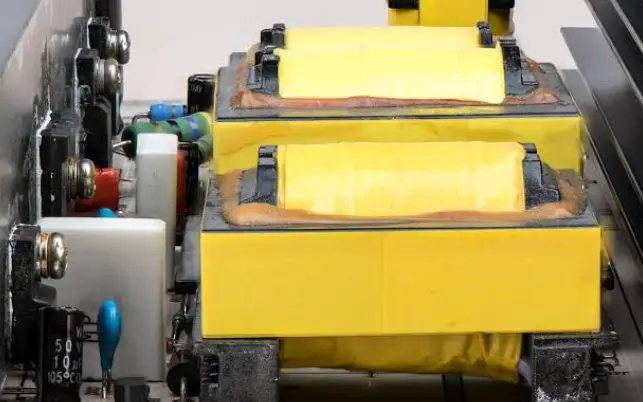
A high-frequency transformer is widely used in modern power electronics because it can transfer electrical energy efficiently at frequencies much higher than traditional 50 Hz or 60 Hz power transformers. In most applications, the operating range of a high-frequency transformer is typically from 10 kHz to several hundred kHz, and in some advanced designs, it can reach 1 MHz or higher.
The exact range depends on the application, core material, power level, circuit topology, insulation design, and thermal performance requirements.

Typical Frequency Range of a High-Frequency Transformer
In general, high-frequency transformers are classified by their operating frequency rather than by a fixed universal standard. Common frequency ranges include:
- 10 kHz to 50 kHz: Often used in lower-frequency switching power supplies and medium-power conversion systems.
- 50 kHz to 250 kHz: A common range for many SMPS transformers, chargers, adapters, and industrial power supplies.
- 250 kHz to 1 MHz: Used in compact, high-efficiency power modules and advanced DC-DC converters.
- Above 1 MHz: Found in specialized high-density power electronics where size reduction and fast switching are critical.
For most commercial and industrial power supply applications, a high-frequency transformer usually operates between 20 kHz and 500 kHz.
Why Frequency Range Matters
The frequency range of a high-frequency transformer directly affects its size, efficiency, heat generation, and overall performance. As operating frequency increases, the transformer can generally be made smaller because the magnetic core requires less material to transfer the same amount of energy.
However, higher frequency also brings new design challenges. Core loss, copper loss, electromagnetic interference, insulation stress, and thermal management become more important. This is why choosing the correct operating range is essential for reliable transformer performance.
Common Applications by Frequency Range
High-frequency transformers are used in many power conversion systems. Different applications often require different operating ranges.
Switching Power Supplies
Switching power supplies commonly use high-frequency transformers in the range of 50 kHz to 250 kHz. This range provides a good balance between compact size, efficiency, cost, and reliability.
LED Drivers
LED power supplies and lighting drivers often use transformers operating between 30 kHz and 150 kHz. The goal is to achieve stable output, compact structure, and good energy efficiency.
Electric Vehicle Chargers
EV chargers and onboard power systems may use high-frequency transformers from 50 kHz to several hundred kHz, depending on the power rating and circuit design. These transformers help improve power density and support efficient voltage conversion.
Renewable Energy Systems
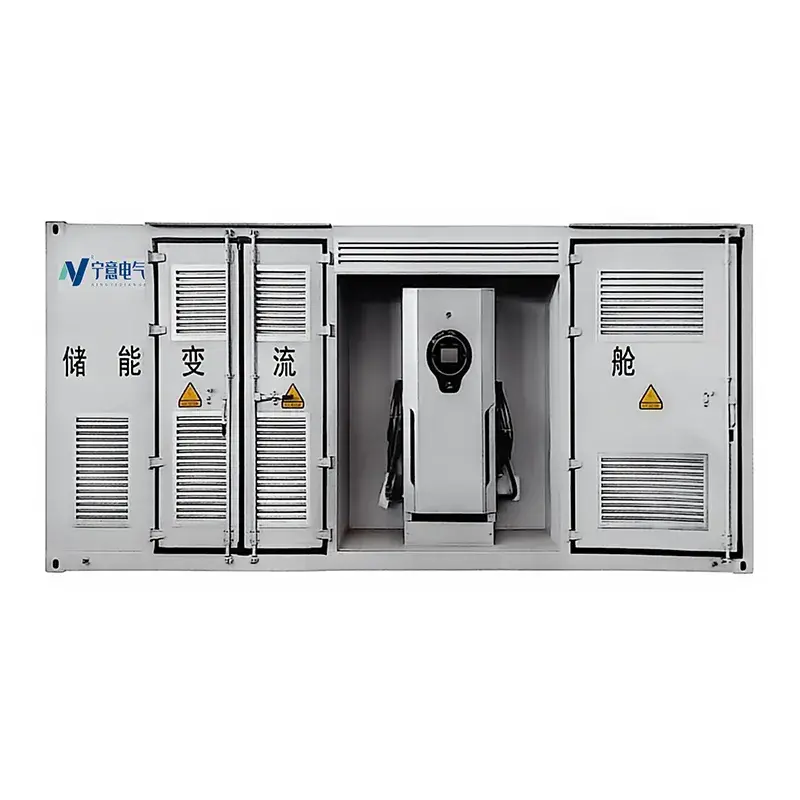
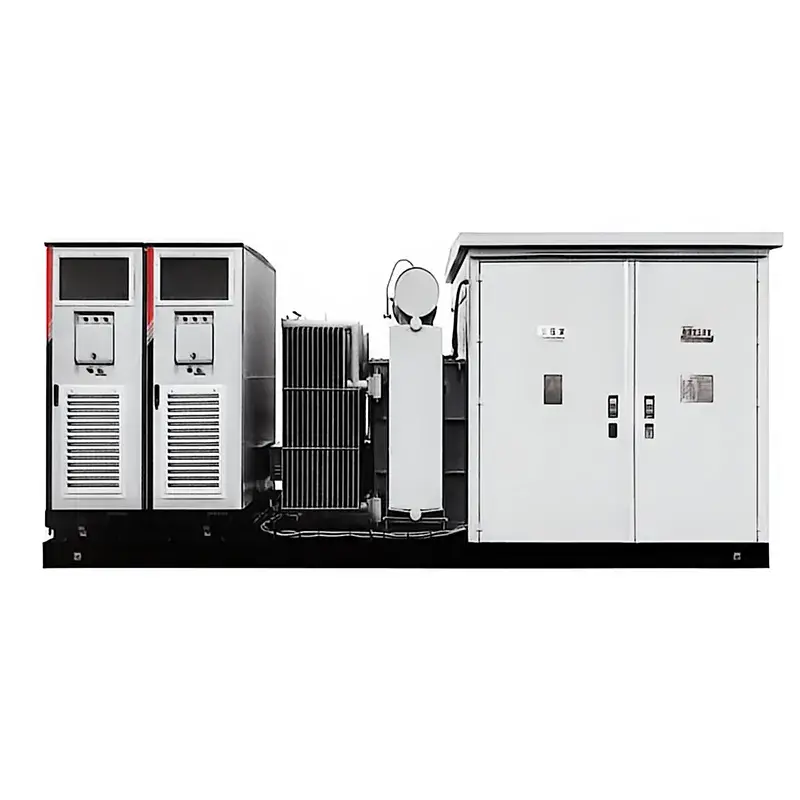
Solar inverters, energy storage converters, and wind power systems often use high-frequency transformers for isolation and power conversion. Their operating range may vary from 20 kHz to 300 kHz or higher, depending on the system architecture.
Telecommunications and Industrial Electronics
Telecom power modules, industrial control systems, and DC-DC converters often use high-frequency transformers in the 100 kHz to 500 kHz range to achieve compact size and stable performance.
Role of Ferrite Core Materials
Ferrite cores are commonly used in high-frequency transformers because they offer low core loss at high operating frequencies. Compared with silicon steel used in traditional low-frequency transformers, ferrite materials are better suited for kilohertz and megahertz applications.
The selected ferrite material must match the operating frequency, magnetic flux density, temperature range, and power level. If the core material is not suitable, the transformer may overheat or lose efficiency.
High-Frequency Transformer vs. Low-Frequency Transformer
A traditional low-frequency transformer usually operates at 50 Hz or 60 Hz and is often larger and heavier. It is commonly used in power distribution, electrical equipment, and grid-connected systems.
A high-frequency transformer operates at much higher frequencies, usually starting from several kilohertz. Because of this, it can be significantly smaller and lighter while still delivering efficient power conversion.
This size advantage is one of the main reasons high-frequency transformers are widely used in compact electronic devices, fast chargers, inverters, and advanced industrial power supplies.
Factors That Affect the Transformer Range
Several factors determine the suitable range of a high-frequency transformer:
- Core material
- Switching frequency
- Input and output voltage
- Output power
- Winding structure
- Insulation requirements
- Cooling method
- Electromagnetic interference control
- Safety standards
- Application environment
A transformer designed for a small adapter will have very different requirements from one used in an EV charger or solar inverter. For this reason, many high-frequency transformers are custom-designed according to the target application.
Choosing the Right Frequency Range
Choosing the right frequency range is a balance between size, efficiency, heat, cost, and reliability. A higher frequency can reduce transformer size, but it may also increase losses and require more advanced materials and manufacturing processes.
For many manufacturers, the best solution is not simply to choose the highest possible frequency. Instead, the goal is to select a practical operating range that meets electrical performance, safety, and production requirements.
Future Development of High-Frequency Transformers
As power electronics continue to evolve, high-frequency transformers are becoming more important in electric vehicles, renewable energy, data centers, automation systems, and consumer electronics.
The demand for smaller, lighter, and more efficient power conversion devices is pushing transformer technology toward higher power density and better thermal performance. Improvements in magnetic materials, winding technology, and circuit design will continue to expand the useful range of high-frequency transformers.
Conclusion
The typical range of a high-frequency transformer is usually from 10 kHz to several hundred kHz, with many practical applications operating between 20 kHz and 500 kHz. In advanced power electronics, some designs can reach 1 MHz or higher.
The correct frequency range depends on the transformer’s core material, power rating, circuit design, insulation structure, and application requirements. Whether used in switching power supplies, LED drivers, EV chargers, or renewable energy systems, high-frequency transformers play a critical role in efficient and compact power conversion.