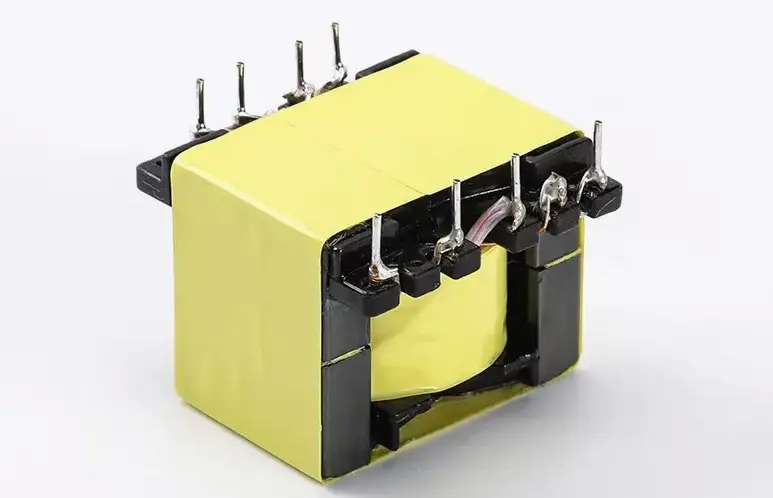
A high-frequency power transformer is a key component in modern power electronics. Its main job is to transfer electrical energy from one circuit to another while changing voltage levels, providing electrical isolation, and supporting efficient power conversion at high switching frequencies.
Unlike traditional low-frequency transformers used in standard 50 Hz or 60 Hz power systems, high-frequency power transformers operate at much higher frequencies, often from several kilohertz to hundreds of kilohertz. This makes them smaller, lighter, and more efficient for many advanced electronic and industrial applications.
How a High-Frequency Power Transformer Works
A high-frequency power transformer works through electromagnetic induction. When alternating current flows through the primary winding, it creates a changing magnetic field inside the transformer core. This changing magnetic field induces voltage in the secondary winding, allowing power to be transferred without a direct electrical connection between the two circuits.
In high-frequency designs, the transformer is usually used together with a switching circuit. The input power is rapidly switched on and off, creating a high-frequency waveform. The transformer then steps the voltage up or down depending on the design requirements.
Because the operating frequency is much higher than that of a traditional transformer, the magnetic core can be smaller. This is one of the main reasons high-frequency transformers are widely used in compact electronic devices and high-efficiency power systems.

Main Functions of a High-Frequency Power Transformer
1. Voltage Conversion
One of the most important functions of a high-frequency power transformer is voltage conversion. It can step up or step down the voltage to match the needs of the circuit.
For example, in a switching power supply, a high-frequency transformer may reduce a high input voltage to a lower, safer output voltage for electronic equipment. In other systems, it may increase voltage for specialized power conversion requirements.
2. Electrical Isolation
High-frequency power transformers also provide electrical isolation between input and output circuits. This isolation improves safety, protects sensitive components, and helps reduce the risk of electrical shock or system damage.
Electrical isolation is especially important in medical equipment, industrial control systems, battery chargers, communication devices, and power supplies connected to mains electricity.
3. Efficient Power Transfer
High-frequency transformers are designed to transfer power efficiently while reducing energy loss. When properly designed, they help improve the overall efficiency of power conversion systems.
Efficiency is becoming increasingly important as industries focus on lower energy consumption, smaller devices, and better thermal performance.
4. Size and Weight Reduction
Because high-frequency operation allows the use of smaller magnetic cores and fewer turns of wire, high-frequency power transformers are much more compact than traditional transformers with similar power ratings.
This makes them valuable in applications where space and weight matter, such as electric vehicles, portable electronics, aerospace systems, LED drivers, and compact industrial power supplies.
High-frequency power transformers are widely used across many industries. Common applications include:
- Switching power supplies
- DC-DC converters
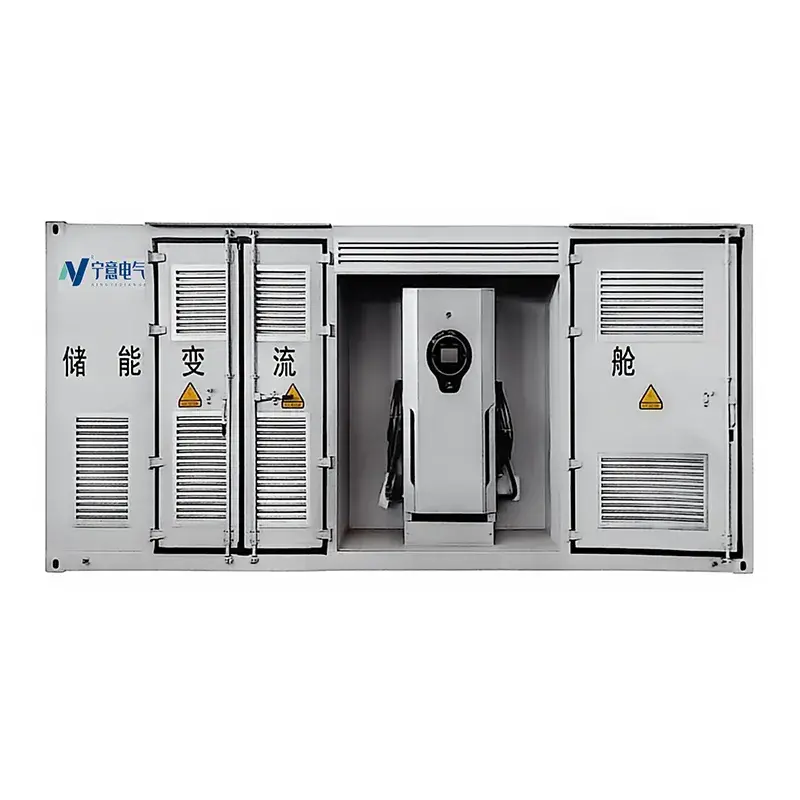
- Electric vehicle chargers
- Solar inverters
- Wind power systems
- LED lighting drivers
- Battery management systems
- Industrial automation equipment
- Telecommunications power systems
- Medical power supplies
- Consumer electronics
As more devices require compact, efficient, and reliable power conversion, demand for high-frequency transformer technology continues to grow.
Why High-Frequency Transformers Matter in Modern Electronics
Modern electronics are moving toward higher efficiency, smaller size, and better performance. High-frequency power transformers support these goals by enabling compact power supply designs and improving energy conversion efficiency.
They are especially important in switching power supplies, which are used in computers, chargers, servers, industrial machines, and renewable energy systems. Without high-frequency transformers, many modern power devices would be larger, heavier, and less efficient.
In electric vehicles and renewable energy systems, high-frequency transformers also help manage power more effectively. They support fast charging, energy storage, voltage regulation, and safe power transfer between different parts of the system.
Key Design Considerations
Designing a high-frequency power transformer requires careful engineering. Important factors include:
- Operating frequency
- Input and output voltage
- Power rating
- Core material
- Winding structure
- Insulation requirements
- Thermal performance
- Electromagnetic interference control
- Safety standards
Ferrite cores are commonly used because they perform well at high frequencies and help reduce core losses. The winding layout must also be optimized to reduce leakage inductance, improve efficiency, and control heat.
Poor transformer design can lead to overheating, noise, unstable output, reduced efficiency, and reliability problems. For this reason, manufacturers often customize high-frequency transformers based on the electrical and mechanical requirements of each application.
High-Frequency Transformer vs. Traditional Transformer
The biggest difference between a high-frequency transformer and a traditional transformer is the operating frequency.
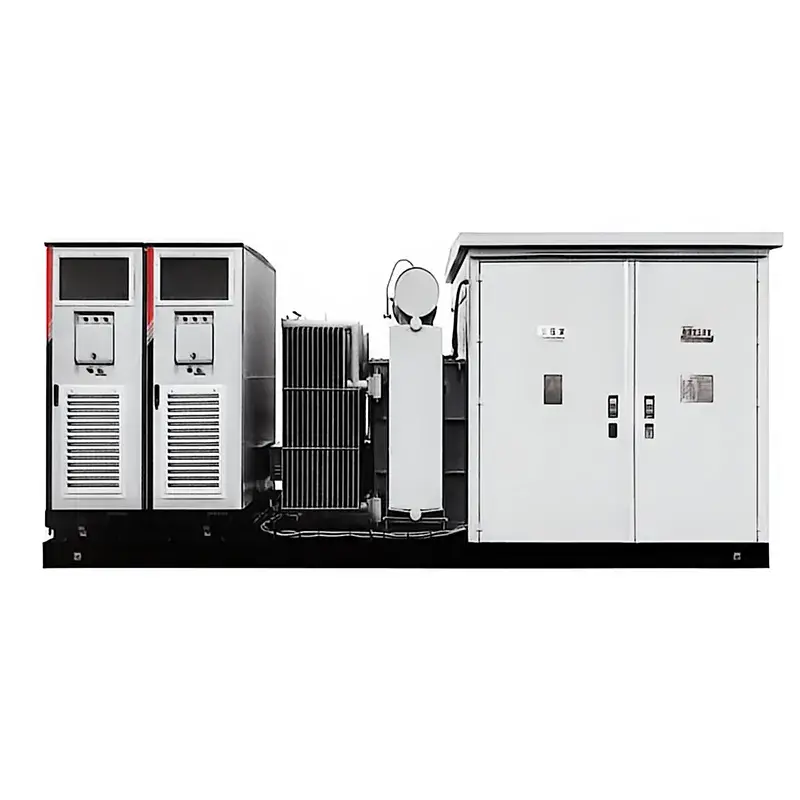
A traditional transformer usually works at 50 Hz or 60 Hz and is often larger and heavier. It is commonly used in grid power distribution and low-frequency electrical systems.
A high-frequency transformer works at much higher frequencies and is mainly used in power electronics. It can be much smaller, lighter, and more suitable for compact power conversion equipment.
Both types transfer energy through electromagnetic induction, but their designs, materials, and applications are different.
Future Outlook
The role of high-frequency power transformers is expected to become even more important as industries continue to develop smaller, smarter, and more energy-efficient systems.
Growth in electric vehicles, renewable energy, data centers, fast charging technology, industrial automation, and advanced consumer electronics is driving the need for better power conversion components.
As power electronics continue to evolve, high-frequency transformers will remain a critical part of efficient and reliable electrical design.
Conclusion
A high-frequency power transformer transfers electrical energy, changes voltage levels, provides isolation, and improves power conversion efficiency in modern electronic systems. Compared with traditional transformers, it offers major advantages in size, weight, and performance.
From switching power supplies to electric vehicle chargers and renewable energy systems, high-frequency power transformers play a vital role in today’s power electronics industry. For engineers, manufacturers, and equipment designers, choosing the right high-frequency transformer is essential for building safe, efficient, and reliable power systems.