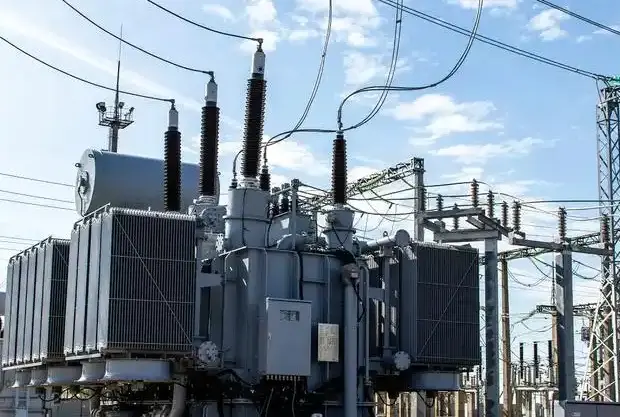
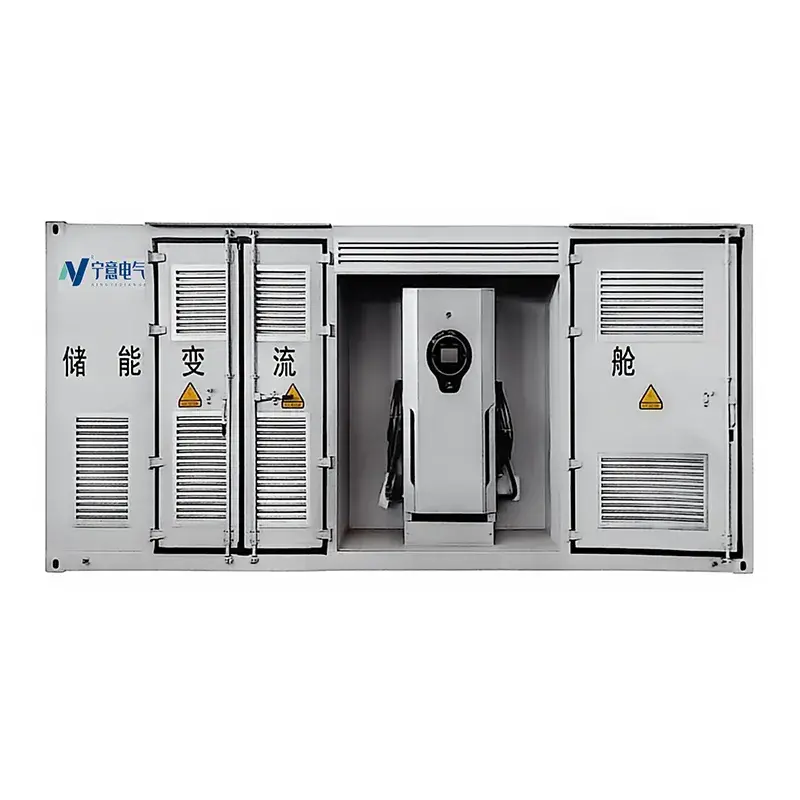
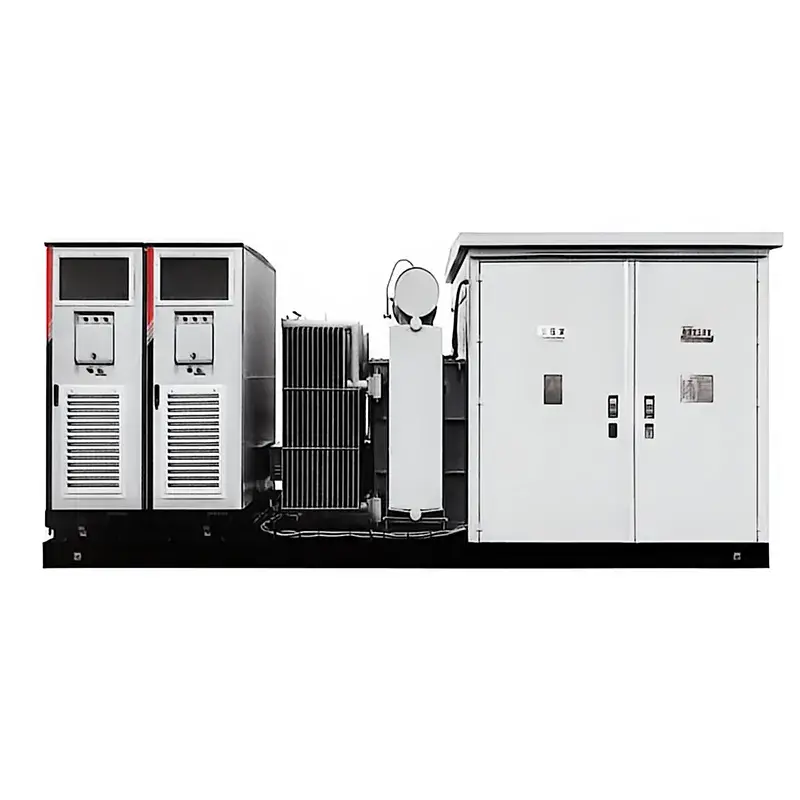
High voltage power transformers sit at the center of modern electrical infrastructure. They are not the small devices found inside consumer electronics, nor are they ordinary low-voltage power supplies. These transformers are engineered to transfer large amounts of electrical energy between circuits while changing voltage levels for efficient transmission, distribution, or industrial use.
In practical terms, a high voltage power transformer allows electricity to move safely and efficiently from generation plants, renewable energy stations, substations, and heavy industrial facilities to the places where power is finally consumed. Without this equipment, long-distance electricity transmission would suffer from much higher losses, unstable voltage, and limited grid capacity.
Why High Voltage Transformers Matter
Electricity generated at a power plant or solar farm is often not delivered at the same voltage used by homes, factories, or commercial buildings. To reduce energy loss during transmission, voltage is usually stepped up to a higher level. When the power gets closer to the end user, transformers step the voltage back down to a usable level.
This is where the high voltage power transformer becomes essential. It supports voltage conversion across large power networks, helps stabilize electrical systems, and enables power to travel over long distances with improved efficiency.
For industrial buyers, utilities, and project engineers, choosing the right high power transformer is not only about voltage rating. It also affects system reliability, installation cost, operating safety, maintenance planning, and long-term energy performance.
How a High Voltage Power Transformer Works
A transformer works through electromagnetic induction. The basic structure includes a primary winding, a secondary winding, and a magnetic core. When alternating current flows through the primary winding, it creates a changing magnetic field in the core. This magnetic field induces voltage in the secondary winding.
The voltage change depends on the ratio between the primary and secondary winding turns. More turns on the secondary side create a step-up transformer. Fewer turns create a step-down transformer.
High voltage power transformers use the same principle as smaller transformers, but their construction is much more demanding. They require strong insulation systems, precise winding design, efficient cooling, mechanical strength, and protection against electrical stress. In many applications, oil-immersed designs are used to improve insulation and heat dissipation.

Common Applications
High voltage transformers are used wherever large-scale voltage conversion is required. Typical applications include power generation plants, transmission substations, renewable energy projects, mining operations, petrochemical facilities, steel mills, railway power systems, and large manufacturing plants.
In solar and wind energy projects, transformers connect generated power to medium-voltage or high-voltage grid systems. In industrial facilities, they help supply stable power to large motors, furnaces, compressors, and production lines.
A properly selected high power transformer can support continuous operation under demanding electrical loads, while poor selection may lead to overheating, voltage instability, reduced efficiency, or unexpected downtime.
High Voltage Transformer vs. Distribution Transformer
A high voltage power transformer is often confused with a distribution transformer, but they serve different roles.
A power transformer is typically used in transmission networks and high-capacity substations. It is designed for large power loads, higher voltages, and continuous operation at high efficiency. A distribution transformer is usually installed closer to the end user and reduces voltage for local consumption.
The difference is not only size. Power transformers generally require more complex insulation, higher short-circuit strength, advanced cooling methods, and stricter testing. Distribution transformers are more common in residential and commercial supply networks, while power transformers are critical assets in backbone electrical infrastructure.
Key Factors When Selecting a High Voltage Power Transformer
Selecting a transformer should begin with the actual operating environment and electrical requirements. Rated capacity, voltage level, frequency, impedance, insulation class, cooling method, winding material, vector group, and installation conditions all matter.
Buyers should also consider whether the transformer will operate indoors or outdoors, whether the climate is humid or dusty, and whether the load is stable or frequently changing. For outdoor substations, corrosion protection, sealing performance, and temperature tolerance are especially important.
Efficiency is another major factor. A transformer with lower losses may cost more at the beginning, but it can reduce operating expenses over many years. For utilities and industrial projects, lifetime energy cost is often more important than purchase price alone.
Safety and Reliability Considerations
High voltage equipment must be designed with safety in mind. Insulation failure, overheating, oil leakage, poor grounding, and incorrect protection settings can create serious operational risks.
Reliable transformers are tested for insulation resistance, dielectric strength, temperature rise, load loss, no-load loss, short-circuit withstand capability, and mechanical integrity. These tests help verify that the transformer can perform under real working conditions.
For a high power transformer, reliability is not optional. Failure can interrupt production, damage connected equipment, and create expensive repair work. This is why engineering quality, manufacturing standards, and after-sales support should be part of the purchase decision.
Maintenance Requirements
Although high voltage power transformers are built for long service life, they still need regular inspection. Common maintenance tasks include checking oil quality, monitoring temperature, inspecting bushings, testing insulation condition, checking cooling systems, and reviewing protective relay performance.
Many modern transformer systems also support online monitoring. Sensors can track temperature, dissolved gas, moisture, load changes, and other operating indicators. This helps operators detect early warning signs before a fault becomes serious.
Good maintenance does not simply extend transformer life. It improves system safety and keeps the electrical network predictable.
Market Demand Is Growing
Demand for high voltage transformers continues to grow as countries expand power grids, build renewable energy systems, upgrade aging substations, and electrify industrial processes. Solar farms, data centers, EV charging infrastructure, and manufacturing facilities all require stronger and more reliable electrical systems.
As a result, buyers are paying closer attention to transformer efficiency, customization, delivery time, and compliance with project specifications. The market is moving toward equipment that combines high capacity, stable operation, lower losses, and better monitoring options.
Final Thoughts
A high voltage power transformer is a core device for converting voltage and transferring large-scale electrical energy safely and efficiently. It supports transmission networks, substations, renewable energy projects, and heavy industrial power systems.
When selecting a transformer, buyers should look beyond rated voltage and capacity. Cooling design, insulation strength, efficiency, testing, installation conditions, and supplier experience all influence long-term performance. A well-designed high power transformer can improve energy reliability, reduce losses, and protect critical electrical infrastructure for years.
For high voltage transformer product information and project support, visit JS Ningy.