A single-phase transformer is widely used for residential power distribution, small commercial loads, rural electrical networks, lighting circuits, control systems, and certain low-power industrial applications. It is simple, reliable, and cost-effective when the load demand is modest.
However, single-phase transformers also have limitations. Compared with three-phase transformer systems, they may offer lower power capacity, less efficient power delivery for large loads, weaker motor performance, more voltage imbalance risk, and less flexibility for industrial expansion.
For utilities and project buyers, a single phase pole mounted transformer can be an excellent solution in the right setting. But it should not be selected only because it is cheaper or easier to install. The load profile, future demand, phase requirements, voltage regulation, and distribution design must all be considered.
What Is a Single-Phase Transformer?
A single-phase transformer transfers electrical energy between two circuits using one alternating current phase. It can step voltage up or down depending on the winding design.
Single-phase transformers are commonly used for:
- Residential homes
- Rural distribution lines
- Small shops
- Street lighting
- Agricultural loads
- Control power circuits
- Small pumps
- Light-duty commercial service
- Pole-mounted utility distribution
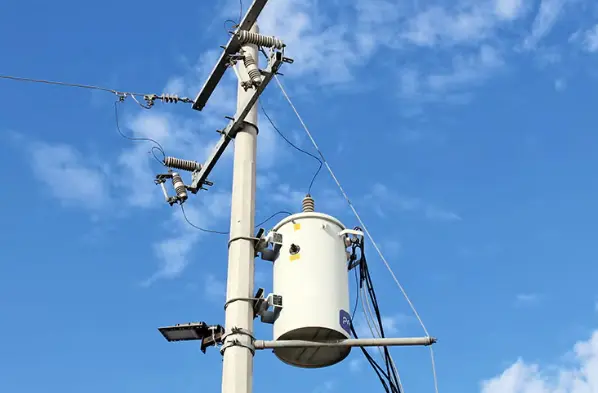
A single phase pole mounted transformer is usually installed on an overhead utility pole and supplies electricity to homes, farms, or small facilities. It is common in rural and low-density areas where three-phase service may not be economical.
Downside 1: Limited Power Capacity
One of the biggest downsides of a single-phase transformer is limited load capacity compared with a three-phase system. Single-phase power is suitable for smaller loads, but it is not ideal for large factories, heavy machinery, high-power motors, or large commercial buildings.
When load demand grows, a single-phase transformer may become overloaded. This can cause:
- Higher operating temperature
- Reduced transformer life
- Voltage drop
- Nuisance protection trips
- Poor equipment performance
- Increased maintenance needs
For larger facilities, three-phase transformers are usually more practical because they distribute power more evenly and efficiently.
Downside 2: Not Ideal for Large Motors
Many industrial motors are designed for three-phase power because three-phase supply provides smoother torque and better efficiency. A single-phase transformer cannot directly provide true three-phase power by itself.
Single-phase motors are available, but they often have lower starting torque, lower efficiency, and more vibration than comparable three-phase motors. For large pumps, compressors, conveyors, machine tools, and HVAC equipment, three-phase service is usually preferred.
If a facility needs to operate three-phase motors from single-phase power, additional equipment such as a phase converter or variable frequency drive may be required. This adds cost and complexity.

Downside 3: More Voltage Drop Under Heavy Load
Single-phase systems can experience noticeable voltage drop when loads are high or when the transformer is located far from the service point. Long distribution lines, undersized conductors, motor starting current, and uneven demand can make voltage regulation more difficult.
Voltage drop may cause:
- Dim lights
- Motor overheating
- Poor starting performance
- Control system instability
- Reduced equipment efficiency
- Shorter appliance life
A properly sized transformer and conductor system can reduce this issue, but single-phase distribution still has practical limits.
Downside 4: Less Efficient for Large Power Distribution
For high-power distribution, three-phase systems are generally more efficient. They can transmit more power with better conductor utilization and smoother load balance.
A single-phase transformer may be economical for small loads, but as power demand increases, the cost advantage can disappear. Larger single-phase conductors, higher losses, and limited expansion capacity may increase total system cost.
This is why industrial parks, large workshops, hospitals, data centers, and commercial complexes usually use three-phase distribution.
Downside 5: Load Imbalance Problems
In a distribution network, many single-phase transformers may be connected across different phases of a larger three-phase feeder. If the loads are not balanced properly, one phase may carry more current than the others.
Phase imbalance can lead to:
- Higher losses
- Transformer heating
- Poor voltage regulation
- Reduced feeder efficiency
- Protection coordination issues
- Uneven equipment performance
Utilities must plan phase loading carefully, especially in rural networks, residential developments, and mixed-use service areas.
Downside 6: Limited Expansion Flexibility
A single-phase transformer may work well for today’s load, but future growth can create problems. If a home becomes a workshop, a farm adds motors, or a small business installs larger machinery, the existing transformer may no longer be enough.
Before choosing a single phase pole mounted transformer, planners should consider:
- Current load
- Future load growth
- Motor starting requirements
- EV charging demand
- Solar or battery integration
- Agricultural equipment expansion
- Commercial development potential
Replacing or upgrading transformers later may be more expensive than planning capacity correctly at the beginning.
Downside 7: Less Suitable for Sensitive Industrial Equipment
Some equipment performs better with stable three-phase power. Precision manufacturing machines, large HVAC systems, elevators, welders, and industrial automation lines may require specific phase and voltage conditions.
Single-phase supply may cause limitations in equipment selection. Even if equipment can operate on single-phase power, it may require larger current, heavier wiring, or special control equipment.
Downside 8: Higher Current for the Same Power
For the same power level, a single-phase system generally carries higher current than a comparable three-phase system. Higher current can require larger conductors, stronger protection devices, and better thermal management.
Higher current can also increase line losses and voltage drop if the system is not designed correctly.
When a Single-Phase Transformer Is Still a Good Choice
Despite these downsides, single-phase transformers remain very useful. They are often the best choice when the load is small, the service area is rural, or three-phase infrastructure is not available.
A single-phase transformer may be suitable for:
- Residential service
- Small farms
- Rural homes
- Lighting systems
- Small shops
- Light commercial buildings
- Remote cabins
- Low-density distribution networks
- Utility pole installations
A single phase pole mounted transformer is especially practical for overhead distribution systems where individual customers need reliable service at reasonable cost.
How to Reduce the Downsides
Good design can reduce many single-phase transformer limitations.
Useful steps include:
- Size the transformer correctly.
- Allow margin for future load growth.
- Use proper conductor sizing.
- Keep service runs as short as practical.
- Balance loads across feeder phases.
- Check motor starting requirements.
- Avoid continuous overload.
- Confirm voltage regulation needs.
- Inspect connections and grounding.
- Follow applicable electrical codes and standards.
Transformer selection and installation should be handled by qualified electrical professionals.
Conclusion
The main downsides of using a single-phase transformer include limited power capacity, weaker suitability for large motors, higher current for the same power, possible voltage drop, load imbalance risk, and reduced flexibility for future industrial expansion.
A single phase pole mounted transformer is still a reliable and cost-effective solution for homes, rural service, small farms, and light commercial loads. The key is matching the transformer to the actual application. For larger, motor-heavy, or expanding facilities, a three-phase transformer system may provide better efficiency, stability, and long-term value.
For transformer product information, visit JS Ningyi.