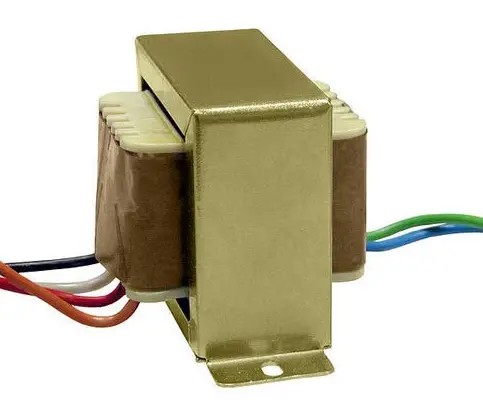
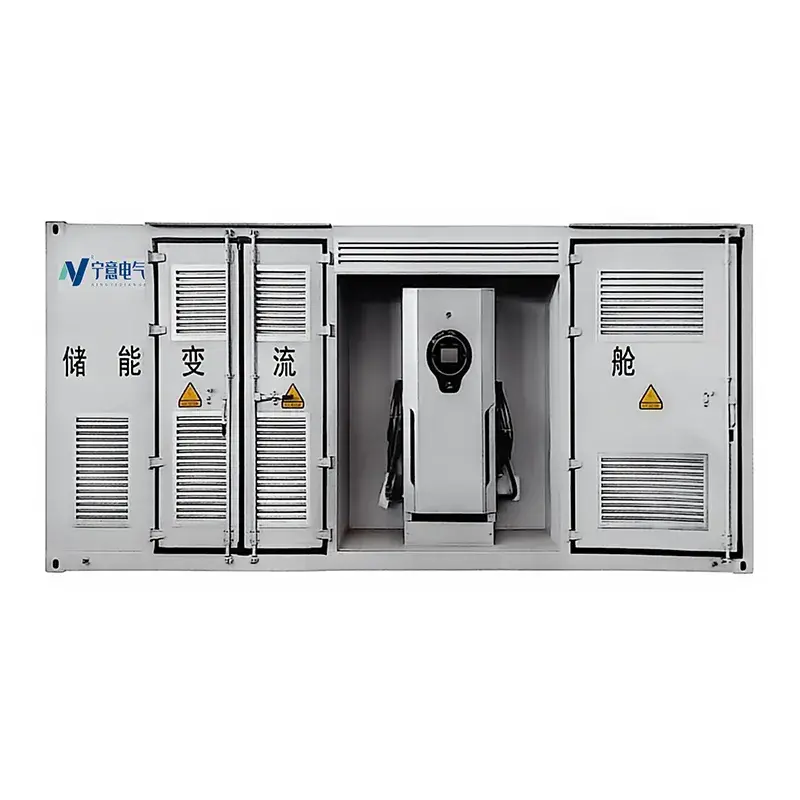
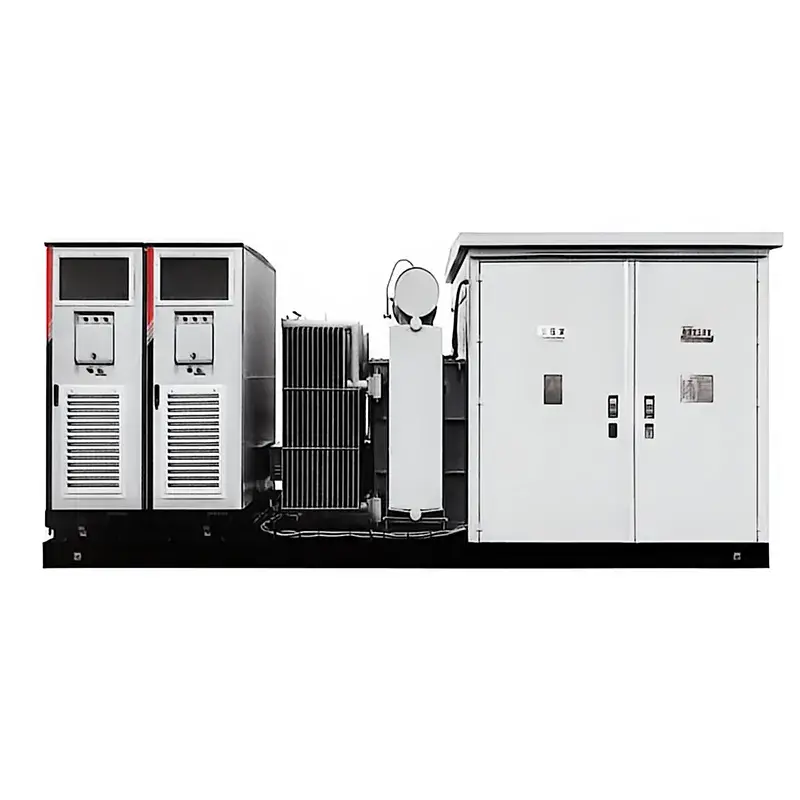
The purpose of a step-down transformer is to reduce a higher AC voltage to a lower AC voltage that can be used safely and efficiently by electrical equipment. It does not create energy; it changes voltage level through electromagnetic induction so that power can match the requirements of the connected load.
In homes, factories, commercial buildings, control cabinets, lighting systems, and electronic devices, step-down transformers are used whenever the available supply voltage is higher than the voltage needed by the equipment. A 12v step down transformer, for example, is commonly used where a low-voltage AC supply is required for lighting, control circuits, door access systems, or other compatible devices.
How a Step-Down Transformer Works
A step-down transformer has two main windings: a primary winding and a secondary winding. The primary winding connects to the higher input voltage. The secondary winding delivers the lower output voltage.
The voltage reduction depends on the winding turns ratio. If the secondary winding has fewer turns than the primary winding, the output voltage becomes lower than the input voltage. For example, a transformer may reduce 120V AC or 230V AC to 24V AC, 12V AC, or another required level.
The process works only with alternating current. A conventional transformer cannot step down steady DC voltage because electromagnetic induction requires a changing magnetic field.
Why Voltage Needs to Be Reduced
Many electrical devices cannot operate directly from line voltage. They may require a lower voltage for safety, control, or component compatibility. Reducing voltage can make systems easier to manage and safer to operate in certain environments.
Low-voltage circuits are widely used in control systems, security devices, landscape lighting, HVAC controls, and small electrical equipment. By stepping voltage down, the transformer allows sensitive or lower-power devices to receive the correct supply.
In industrial systems, step-down transformers may also supply control panels, relays, indicator lights, sensors, and auxiliary circuits.
Common Applications of Step-Down Transformers
Step-down transformers are used across many industries. Typical applications include:
- Low-voltage lighting
- HVAC control circuits
- Doorbell systems
- Access control equipment
- Security systems
- Industrial control panels
- Machine tool control circuits
- Power distribution inside equipment
- Laboratory and test equipment
- Renewable energy auxiliary systems
A 12v step down transformer is often selected for systems that require 12V AC output. However, buyers should confirm whether their equipment needs 12V AC or 12V DC. If DC output is required, a power supply or rectifier system is needed.
Step-Down Transformer vs. Power Supply
A step-down transformer reduces AC voltage. A power supply may reduce voltage and also convert AC to DC. This distinction matters because many modern electronic devices require DC power.
For example, a 12V LED strip may require 12V DC, while some low-voltage halogen lights or control systems may use 12V AC. Using the wrong output type can cause malfunction or equipment damage.
Before buying, check the equipment label or technical manual. Voltage value alone is not enough. Output type, current requirement, frequency, and load characteristics should also match.

Why VA or Watt Rating Matters
Every transformer has a power capacity rating. Small transformers are often rated in VA, or volt-amperes. This rating shows how much load the transformer can safely support.
If the connected equipment requires more power than the transformer can provide, the transformer may overheat, output voltage may drop, and the system may fail. Buyers should calculate the total load before selection.
For a 12V transformer, current can increase as voltage decreases. That means wiring size, terminal quality, and heat management become important even in low-voltage systems.
Safety Benefits of Step-Down Transformers
One major benefit of step-down transformers is improved safety in appropriate applications. Lower voltage circuits can reduce shock risk compared with direct line-voltage circuits, especially for controls, outdoor lighting, and user-accessible systems.
However, low voltage does not mean no risk. Overloaded transformers, undersized wires, poor insulation, incorrect installation, and moisture exposure can still create hazards. Installation should follow applicable electrical standards and product instructions.
In professional projects, transformer enclosures, grounding, overload protection, and environmental ratings should be evaluated carefully.
What Buyers Should Check Before Choosing
Before purchasing a step-down transformer, buyers should confirm:
- Input voltage
- Output voltage
- AC or DC requirement
- Frequency
- VA or watt rating
- Load type
- Indoor or outdoor installation
- Mounting method
- Insulation class
- Temperature rise
- Protection features
- Terminal or wire connection type
- Certification requirements
For a 12v step down transformer, it is especially important to confirm whether the connected device is designed for 12V AC. If the device requires regulated 12V DC, a transformer alone is not the correct solution.
Common Mistakes to Avoid
A common mistake is choosing a transformer based only on output voltage. Capacity, load type, and installation environment are just as important.
Another mistake is using a transformer designed for indoor dry conditions in outdoor or damp areas. Moisture can damage insulation, corrode terminals, and create safety problems.
Buyers should also avoid operating a transformer continuously at its maximum rating. Leaving reasonable capacity margin can improve reliability and reduce heat stress.
Final Thoughts
The purpose of a step-down transformer is to reduce higher AC voltage to a lower AC voltage for equipment that needs safer or more suitable power. It is widely used in lighting, HVAC controls, security systems, industrial panels, access control, and many auxiliary electrical systems.
A properly selected 12v step down transformer can provide dependable low-voltage AC power when the input voltage, output voltage, capacity, load type, and installation conditions are matched correctly.
For step-down transformer product information and technical support, visit JS Ningy.