Converting 12V to 220V is a common requirement in solar power systems, vehicles, battery backup systems, outdoor power setups, and low-voltage electrical applications. In most cases, the correct way to convert 12V to 220V is to use a power inverter, especially when the 12V source is a battery or DC power supply.
Many people search for a 12v to 220v transformer, but it is important to understand one key point: a traditional transformer works with AC power, while most 12V batteries provide DC power. If you want to convert 12V DC into 220V AC, you normally need an inverter, not only a transformer.
Why Convert 12V to 220V?
A 12V power source is widely used because it is safe, compact, and suitable for batteries, vehicles, solar systems, and portable equipment. However, many household appliances and industrial devices are designed to run on 220V AC.
Converting 12V to 220V allows users to power equipment such as:
- Lighting systems
- Small household appliances
- Chargers and adapters
- Power tools
- Communication equipment
- Backup power devices
- Off-grid electrical systems
- Solar energy applications
This makes 12V to 220V conversion useful for both mobile and fixed power systems.

Do You Need a Transformer or an Inverter?
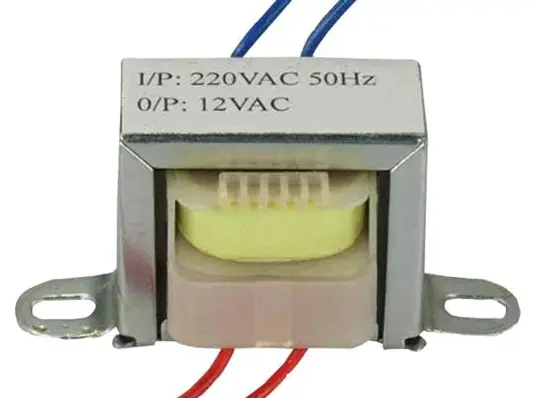
If your input power is 12V AC, a step-up transformer may increase the voltage to 220V AC. This is where a 12v to 220v transformer can be used.
However, if your input power is 12V DC from a battery, solar battery bank, or vehicle power system, a transformer alone cannot complete the conversion. You need an inverter that first changes DC power into AC power and then raises the voltage to 220V.
In simple terms:
- 12V AC to 220V AC: use a step-up transformer
- 12V DC to 220V AC: use a power inverter
- 12V DC to stable regulated output: use a suitable converter or inverter system
Choosing the correct device depends on the input type, output requirement, load power, and application environment.
How Does a 12V to 220V Inverter Work?
A 12V to 220V inverter converts low-voltage DC electricity into high-voltage AC electricity. Inside the inverter, electronic circuits switch the DC input rapidly, create an AC waveform, and increase the voltage to the required 220V output.
Some inverter designs may include a transformer inside the system. This is one reason why people often use the term 12v to 220v transformer when searching for a complete voltage conversion product.
The inverter may produce different output waveforms, including modified sine wave or pure sine wave. For sensitive electronics, motors, medical equipment, precision instruments, and some appliances, a pure sine wave inverter is usually the better choice.
Key Factors Before Converting 12V to 220V
Before selecting a conversion device, check these important factors:
Input voltage: Confirm whether your source is 12V DC or 12V AC.
Output voltage: Make sure the required output is 220V AC.
Power rating: Calculate the total wattage of all connected devices.
Peak load: Some appliances need higher starting power than running power.
Waveform type: Sensitive devices may require pure sine wave output.
Efficiency: Power loss occurs during conversion, so choose a reliable system.
Safety protection: Look for overload, short-circuit, over-temperature, and low-voltage protection.
Installation environment: Heat, humidity, vibration, and ventilation can affect performance.
Example: Battery to 220V Power
If you have a 12V battery and want to power a 220V appliance, the basic setup is:
12V battery → inverter → 220V AC output → appliance
For example, if a device requires 300W, the inverter should have enough continuous power capacity and suitable surge capacity. The battery must also be large enough to support the operating time.
A common mistake is choosing a converter only by voltage. In real applications, wattage, current, heat dissipation, cable size, and protection design are just as important.
Is a 12v to 220v Transformer Safe?
A 12v to 220v transformer or inverter system can be safe when it is properly selected, installed, and used within its rated capacity. The risk increases when the product is overloaded, poorly ventilated, incorrectly wired, or used with unsuitable equipment.
For higher-power systems, industrial applications, solar installations, or long-term continuous operation, professional selection and installation are recommended.
Conclusion
To convert 12V to 220V, first confirm whether your 12V source is AC or DC. If it is 12V AC, a step-up transformer may be suitable. If it is 12V DC, such as a battery or solar storage system, you usually need a power inverter.
Although many buyers search for a 12v to 220v transformer, the correct solution depends on the actual power source, load type, output waveform, and safety requirements. Choosing the right conversion device helps improve reliability, protect equipment, and support stable long-term operation.
For product selection or customized power conversion support, contact us here: https://www.jsningy.cn/contact-us/
FAQ
Can I convert 12V DC directly to 220V AC with only a transformer?
No. A traditional transformer works with AC power. For 12V DC input, you normally need an inverter.
What is a 12v to 220v transformer used for?
It is commonly used to describe a device that raises 12V to 220V, but the exact product may be a step-up transformer or an inverter depending on whether the input is AC or DC.
Can a 12V battery power 220V appliances?
Yes, but it requires a suitable inverter and enough battery capacity to support the load.
Which is better, modified sine wave or pure sine wave?
Pure sine wave is usually better for sensitive electronics, motors, and equipment that requires stable AC power.
How do I choose the right 12V to 220V converter?
Check input type, output voltage, wattage, surge power, waveform, safety protection, and installation conditions before choosing a product.